How Traditional Combat Sports Preserve Identity Through Practice
Some sporting traditions survive because they adapt constantly. Others endure because they remain disciplined about what they keep unchanged. Experiencing Muay Thai in a traditional setting highlights how a combat sport can retain its identity without needing reinvention, relying instead on consistency, shared standards, and deliberate practice passed from one generation to the next.
This continuity is not about resisting progress. It is about protecting meaning.
Practice As Cultural Memory
Every movement inside the ring carries inherited knowledge. Techniques are taught not only for effectiveness but as expressions of lineage. Fighters train within systems that reward precision and repetition, ensuring skills remain recognisable over time rather than diluted by trend.
Because these practices are repeated daily, identity is reinforced through action rather than explanation. Fighters learn where movements come from by doing them, not by being told. Over time, the sport becomes a living archive of its own history.
Identity Is Reinforced Through Restraint
One of the defining traits of traditional combat disciplines is selective restraint. There is no urgency to simplify structure or alter pacing to suit external expectations. This discipline acts as a filter, allowing useful evolution while rejecting changes that undermine core principles.
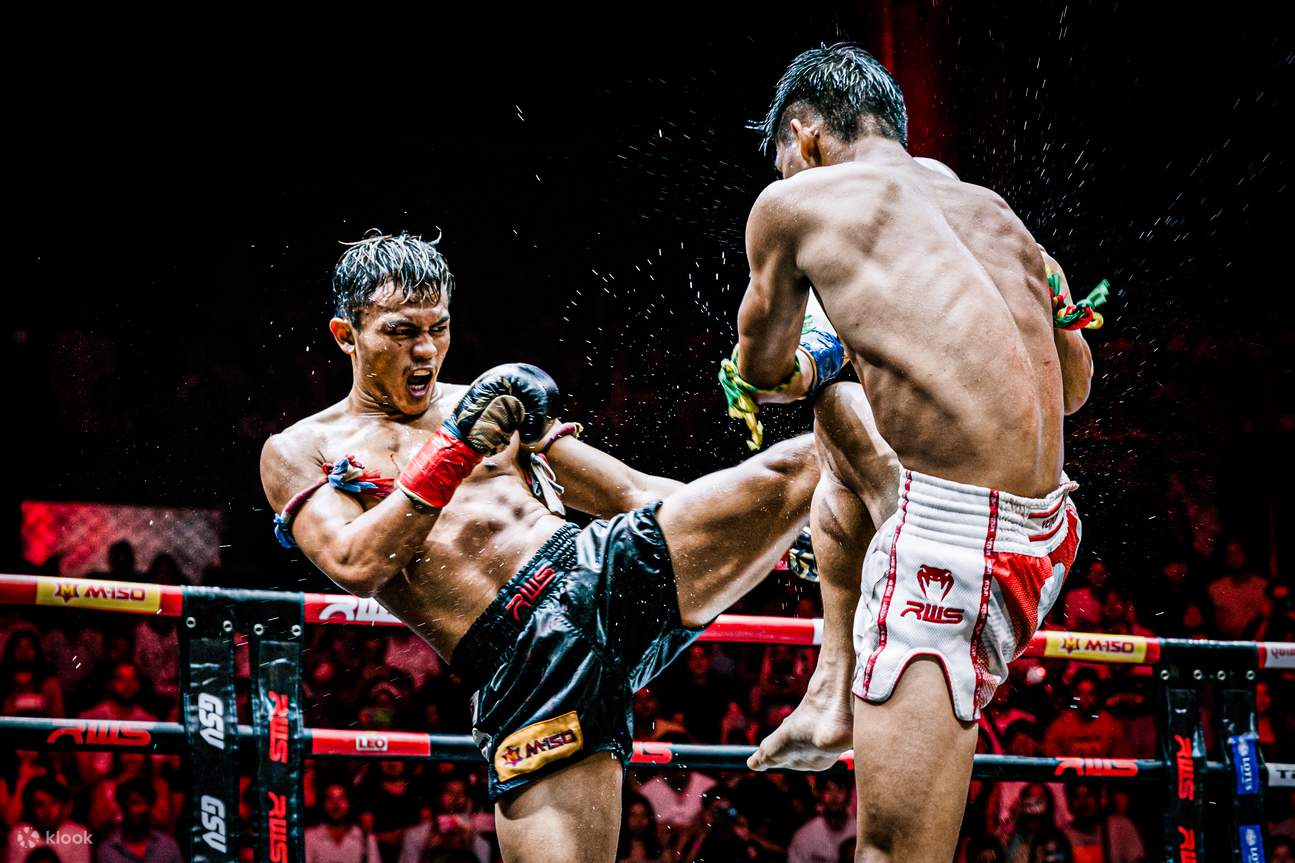
By maintaining rhythm, ritual, and standards of conduct, the sport preserves an internal logic that fighters must adapt to rather than reshape. That process strengthens identity rather than weakening it.
Community Maintains Continuity
Gyms, trainers, and venues form a tightly connected ecosystem. Knowledge moves through demonstration, correction, and repetition rather than formal instruction alone. Younger fighters absorb expectations about behaviour, preparation, and respect alongside physical technique.
Because standards are upheld collectively, shortcuts struggle to survive. What is rewarded is not novelty but competence, composure, and adherence to shared values.
Traditional combat sports endure because they are practised deliberately, not performed loosely. Their identity is preserved through daily discipline rather than symbolic gestures, ensuring that what the audience sees today remains meaningfully connected to what came before.