Why Athletes Use Reformer Pilates for Control, Balance, and Injury Resilience
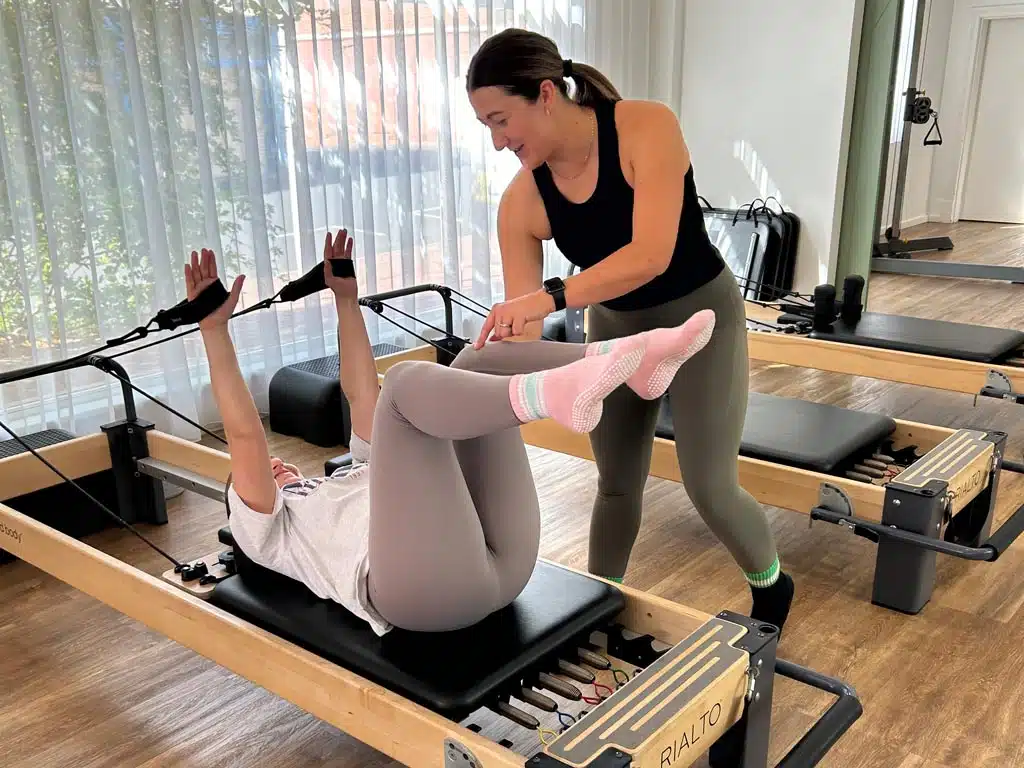
Why Athletes Use Reformer Pilates for Control, Mobility, and Recovery Athletes often train for power, speed, endurance and sport-specific performance, but long-term progress also depends on control, mobility and recovery. reformer pilates Singapore can support athletes by helping them build precise strength, improve movement quality and recover from repetitive training demands. It offers a low-impact but highly focused way to strengthen the body. Sports training can create imbalances. Runners may develop tight hips and calves. Swimmers may need shoulder control. Cyclists may carry rounded posture. Court sport players may need balance and rotational stability. Reformer Pilates helps address these needs through controlled resistance and alignment-focused movement.
Control as an athletic advantage
Athletic movement is not only about force. It is also about control. An athlete must stabilise, change direction, maintain posture and produce power efficiently. Reformer Pilates trains control because students must manage spring resistance and moving equipment while maintaining alignment. This can improve body awareness. Athletes may notice whether one side is stronger, whether the pelvis shifts or whether the shoulders compensate. These insights can support better training decisions. Control also helps reduce wasted effort. When movement becomes more organised, athletes may perform with greater efficiency.
Core strength for performance
The core connects the upper and lower body. In sports, core control supports running mechanics, balance, rotation, lifting, jumping and landing. Reformer Pilates challenges the core in dynamic ways because the body must stabilise while limbs move or the carriage shifts. This type of training is valuable because it resembles real movement more than static core exercises alone. Athletes learn to maintain support while performing controlled actions.
Mobility that supports sport
Mobility is essential for athletes because restricted movement can affect technique and increase compensation. Reformer Pilates can support hip, shoulder, spine and ankle mobility while still requiring strength and control. The reformer allows movements to be assisted or resisted, depending on the exercise. This makes it useful for exploring range safely. Athletes can improve mobility without relying on passive stretching alone.
Athletic qualities supported by Reformer Pilates
A consistent practice may help athletes develop:
- Core stability
- Hip and shoulder control
- Spinal mobility
- Balance and coordination
- Controlled breathing
- Postural awareness
- Recovery-friendly movement
These qualities can complement sport-specific training.
Recovery without complete rest
Athletes need recovery, but recovery does not always mean doing nothing. Low-impact, controlled movement can help the body restore without adding excessive stress. Reformer Pilates can fit into recovery days because it allows the athlete to move with precision and adjust intensity. A lighter session may focus on mobility and alignment. A more challenging session may build strength. This adaptability makes reformer training useful across different phases of a training week.
Injury prevention through awareness
No exercise method can guarantee injury prevention, but better movement awareness can reduce careless compensation. Athletes often push through discomfort, especially during competitive seasons. Reformer Pilates encourages slower, more mindful movement. This can help athletes notice small imbalances before they become larger issues. Teacher guidance is important because athletes may need help reducing intensity and focusing on quality.
Breath and performance under pressure
Breath affects athletic performance. Many athletes hold tension when effort increases. Reformer Pilates encourages breath coordination during movement, helping students stay controlled and focused. This skill can transfer into sport. Whether an athlete is running, lifting, competing or recovering, better breath awareness supports composure.
Supporting posture for sport and daily life
Athletes often spend time outside training in desk or travel positions. This can affect posture and recovery. Reformer Pilates helps restore awareness of spinal alignment, shoulder position and pelvic control. This is useful because performance is influenced by what athletes do outside training too. A body that sits poorly all day may not move optimally during sport.
A guided setting for athletic support
A studio such as Yoga Edition can provide athletes with a structured environment for Reformer Pilates. Teacher cues and equipment adjustments help ensure that movements match the athlete’s needs and training load. Guidance matters because athletes may naturally push too hard. A good instructor can keep the focus on control and quality.
Smarter training through precision
Athletes use Reformer Pilates because it supports qualities that are sometimes undertrained in sport: control, alignment, mobility and recovery. It does not replace sport-specific practice. It complements it. By building better movement awareness, athletes can train with more intelligence. The reformer teaches strength through precision, and that precision can help support performance, resilience and long-term athletic health.